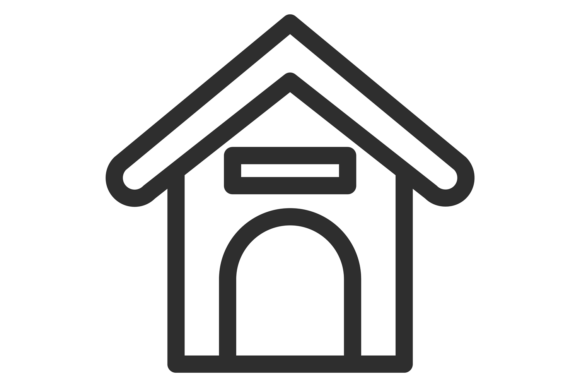
Doghouse Line Icon: The Ultimate Pet Symbol for Designers
When you are building a visual language for a pet brand, clinic, or animal shelter, the smallest details often carry the most weight. I have spent years refining brand identities and advising on visual assets, and one thing I know for sure is that the iconography you choose speaks volumes before a customer reads a single word of your copy. This brings us to a specific, highly useful asset that every designer in this niche should have in their toolkit: the Doghouse Line Icon. It is not just a drawing of a shelter; it is a symbol of home, safety, and care for our four-legged friends.
Decoding the Visual Appeal of This Animal House Symbol
At its core, the Doghouse Line Icon is a masterclass in minimalism. Often found in vector formats like EPS and SVG, or raster formats like JPG and transparent PNG, this asset represents the intersection of functionality and charm. Because it is a "line icon," it relies on stroke weight rather than heavy fills. This creates a light, airy aesthetic that feels modern and approachable.
The personality of this icon is inherently friendly. Unlike a rigid geometric shape, the silhouette of a doghouse implies warmth. When you isolate this Pet Symbol on a white background, as is standard in most asset packs, it gains maximum versatility. It strips away the noise, leaving you with a clean vector that can be scaled from a tiny favicon on a browser tab to a massive billboard without losing clarity. The "Animal House" concept here is about defining a territory—a safe zone for pets—which is a powerful psychological trigger for pet owners.
Strategic Applications: Where the Pet Symbol Fits Best
Understanding where to deploy the Doghouse Line Icon is just as important as the design itself. As a creative professional, I look for assets that offer cross-platform utility. This particular icon shines in several key areas of modern design.
Logo Design and Brand Identity
For startups in the pet industry—whether it is a dog walking service, a boutique pet food brand, or a veterinary clinic—this icon serves as a strong foundation for a logo design. It acts as a recognizable logomark that pairs well with various typography styles. You can easily integrate it into a circular badge or use it as a standalone watermark.
Digital and Web Design
In the realm of web design, line icons are essential for user interface (UI) elements. The Doghouse Icon works perfectly for navigation menus (e.g., a "Home" button for a pet blog), loading animations, or feature lists highlighting "Indoor" vs. "Outdoor" products. Because it is available as a transparent PNG, it layers seamlessly over complex backgrounds in social media graphics or website headers.
Packaging and Editorial Design
If you are working on packaging design for pet treats or toys, a small doghouse icon can denote "Made for Home" or "Training Guide" sections on the back label. In editorial design, such as pet care magazines or blog posts, using this icon as a bullet point or a section break adds a thematic touch that reinforces the subject matter without being overwhelming.
Influence on Brand Perception and Readability
Why does a simple icon matter so much to your bottom line? It comes down to brand identity and trust. When a user sees a consistent visual language—where the Doghouse Line Icon matches the tone of your fonts and color palette—it signals professionalism.
A clean line icon contributes to a sense of modern typography and design. It suggests that your brand is organized and detail-oriented. If you were to use a cluttered, pixelated image, it would harm your visual hierarchy and make your content look amateurish. However, a crisp vector symbol enhances readability by providing visual breathing room. It guides the viewer's eye through the layout, making the content more digestible and increasing audience engagement.
Practical Guide to Implementation and Licensing
Before you download and start dragging this asset into your projects, you need to evaluate the technical and legal aspects. Treat this icon like a premium font or a high-end design asset.
- Format Selection: Always prioritize SVG or EPS files for print and scalable digital work. These vector formats ensure that the lines remain sharp regardless of size. Use JPG only for static presentations where file size is a constraint, and transparent PNG for web overlays where vector support is unavailable.
- Commercial Licensing: Just as you would check the license for a commercial font, you must verify the usage rights for the icon. If you are a small business owner creating merchandise (t-shirts, mugs), ensure the license covers "print on demand" or commercial reproduction. Free assets often have restrictions that premium assets do not.
- Font Pairing: The icon should complement your typography. Because the Doghouse Line Icon is structural and geometric, it pairs well with a sturdy sans serif font for a modern look. Alternatively, pairing it with a handwritten font or a script font can soften the edges, creating a "cozy" vibe suitable for a neighborhood pet groomer.
- Color Customization: Since it is a line icon, you can easily change the stroke color to match your brand's hex codes. This is a standard feature in vector software and is crucial for maintaining brand consistency.
Ultimately, the Doghouse Line Icon is more than just a picture of a shelter; it is a versatile piece of modern typography infrastructure. Whether you are a designer building a brand identity, a marketer creating social media graphics, or a crafter making personalized gifts, this symbol offers a professional, polished way to represent the animal world. By selecting the right format and pairing it with complementary typefaces, you elevate your project from a simple layout to a cohesive visual story.