Low Poly Cartoon Bear Mosaic: A Playful Design Asset
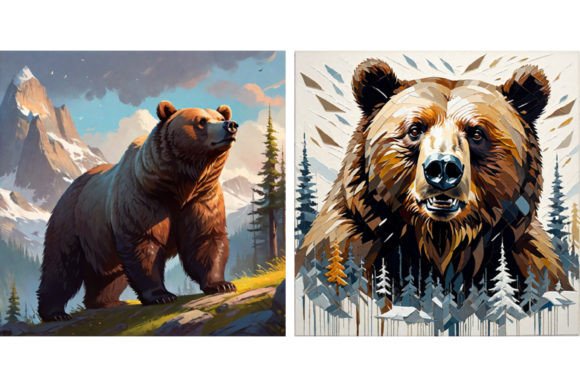
There is a specific kind of visual energy that comes from Low Poly Cartoon Bear Mosaic Animal. It isn’t just an image; it is a texture, a vibe, and a design statement all wrapped into one. I am glad to present this art because it fills a very specific gap in modern design—the need for something that is both geometrically structured and whimsically organic. When you look at this piece, you see the familiar silhouette of a bear, but the execution is entirely contemporary. The "low poly" style, characterized by distinct geometric facets and reduced polygon counts, gives the bear a digital, almost video-game aesthetic, while the "cartoon" aspect softens the edges with vibrant colors and approachable features.
This isn't a realistic wildlife photograph. It is a stylized interpretation that captures the essence of the animal without getting bogged down in fur textures or photorealistic lighting. The mosaic element adds a layer of complexity, suggesting that the image is constructed from smaller units, much like a digital pixel art or a traditional ceramic tile work. For designers, this offers a unique advantage: it provides visual interest at a macro level while maintaining a clean, modern look at a micro level. It feels nostalgic yet futuristic, bridging the gap between 8-bit charm and contemporary vector design.
The Visual Language of Geometric Wildlife
Understanding the personality of the Low Poly Cartoon Bear Mosaic Animal is key to using it effectively. The aesthetic relies on flat shading and distinct boundaries between color planes. You won't find gradients blending seamlessly here; instead, you see calculated jumps from a deep brown to a lighter amber, creating depth through color theory rather than shadow. This style speaks a language of clarity and intentionality. Every polygon is a deliberate choice, which conveys a sense of precision and craftsmanship to the viewer.
The appeal lies in its versatility. Because the rendering is stylized, it avoids the uncanny valley that sometimes plagues 3D art. It feels friendly, safe, and engaging. This makes it an exceptional candidate for projects that need to build trust quickly. Whether you are designing for a children’s educational platform, a tech startup looking for a friendly mascot, or a nature blog that wants to avoid stock photo clichés, this asset provides a distinct voice. It says, "We are creative, we understand modern trends, and we don't take ourselves too seriously."
Strategic Applications for Modern Creators
As a designer or business owner, your assets need to work hard for you. The Low Poly Cartoon Bear Mosaic Animal is not just a pretty picture; it is a functional component of a larger visual strategy. Let’s break down where this asset truly shines and how to integrate it into your workflow.
Branding and Logo Design
In the realm of logo design, simplicity is king, but distinctiveness is the queen that holds the court. A low poly animal mark is instantly recognizable and scales well. Because the shapes are geometric, they translate beautifully into vector formats. You can use the bear as a standalone logomark or incorporate it into a larger wordmark. It works exceptionally well for outdoor brands, eco-friendly products, or creative agencies that want to project an image of structured creativity. The brand identity becomes instantly more memorable when paired with a mascot that has this much character.
Digital Presence and Web Design
For web design, the asset serves as a perfect hero image or a decorative element that doesn't distract from the content. The mosaic texture adds depth to flat UI designs, which can often feel sterile. If you are building a landing page for an app or a portfolio site, using the Low Poly Cartoon Bear as a background element or an avatar can guide the user's eye without overwhelming the layout. It also translates well to social media graphics. In a feed dominated by high-contrast photography, a geometric, colorful bear stops the scroll. It is different enough to spark curiosity but familiar enough to be instantly understood.
Physical Products and Merchandise
While this is a digital download, the application often extends into the physical world. The vector-friendly nature of low poly art means it prints beautifully on textiles, paper, and merchandise. Imagine this bear on a tote bag, a t-shirt, or a sticker sheet. For packaging design, particularly for artisanal goods, coffee brands, or children's toys, the bear adds a layer of premium tactile appeal. It suggests that the product inside is modern and thoughtfully curated. The "mosaic" aspect can even be used to create interesting textures on print materials, adding a tactile dimension when printed on uncoated stocks.
Integrating the Asset into Your Workflow
When you download this asset, you receive a high-resolution PNG archive. This format is ideal for immediate use in raster-based software like Adobe Photoshop or Canva, but it also serves as a high-quality source for tracing in vector software like Adobe Illustrator if you need to scale it infinitely. Here is how to get the most out of it:
- Evaluate the Context: Before placing the bear, consider the mood of your project. The Low Poly Cartoon Bear is playful. If you are working on a serious corporate report or a luxury minimalist brand, you might need to use it sparingly or as a subtle background element. However, for startups, lifestyle brands, and creative portfolios, it can be the star of the show.
- Color Harmony: The asset comes with a pre-determined color palette. To ensure consistency in your design, sample colors directly from the bear to use in your typography, buttons, or background textures. This creates a cohesive visual hierarchy where the image and the layout feel like they belong together.
- Typography Pairing: Because the bear is detailed and textured, it pairs best with clean, modern typography. A geometric sans serif font will complement the low poly angles, while a clean serif font can provide a nice contrast that feels editorial. Avoid overly busy script fonts or handwritten fonts that might compete with the complexity of the mosaic.
Commercial Use and Professional Polish
One of the most critical aspects of using design assets is understanding the licensing. This product is intended for digital download, meaning you are responsible for the final output. Since physical products are not mailed, you have the flexibility to modify, resize, and adapt the file to fit your specific needs.
For entrepreneurs and small business owners, using premium assets like this signals professionalism. There is a distinct difference between a generic clip-art bear found on a free site and a stylized, artistic interpretation. The latter tells your audience that you value quality and are willing to invest in your visual presentation. This is a subtle form of social proof that builds trust with potential customers.
Ensuring Readability and Balance
When using the Low Poly Cartoon Bear in editorial design or blog headers, be mindful of readability. If you place text directly over the bear, the varying colors and geometric shapes might make the text hard to read. The solution is to use a semi-transparent overlay, a text box, or to position the bear to the side, allowing the text to sit on a cleaner area of the canvas. This maintains the visual hierarchy and ensures your message isn't lost in the artistry.
A Versatile Tool for Creative Expression
Ultimately, the value of the Low Poly Cartoon Bear Mosaic Animal lies in its ability to adapt. It is a creative font equivalent in the image world—a tool that adds personality and flair. Whether you are a blogger looking to create a distinct header image, a marketer designing a campaign for a new product, or a crafter looking for a unique graphic for a digital print, this asset provides the foundation for high-quality work.
I am glad to present this art because I believe in the power of style to transform a message. It’s not just about filling space; it’s about creating an atmosphere. The low poly style is timeless, and by applying it to a familiar subject like a bear, we create something that feels both grounded and imaginative. Use it to tell a story, build a brand, or simply make something beautiful.