Rasbora Fish: The Aquarium Animal for Underwater Design
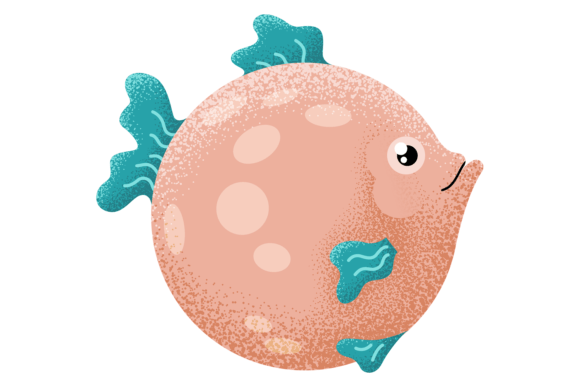
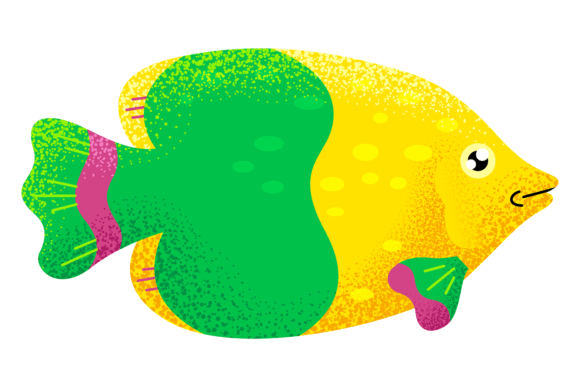
Finding the right visual element for a project often feels like searching for a specific species in a vast ocean. You need something that captures attention but also fits the ecosystem of your design. The Rasbora Fish: Aquarium Animal. Underwater fauna icon collection offers a distinct solution for creators seeking organic, nature-inspired visuals. This asset, available in formats like EPS, JPG, SVG, and transparent PNG, provides more than just a picture of a fish; it delivers a specific mood and aesthetic that can elevate various creative endeavors.
Visual Characteristics and Style
The core appeal of the Rasbora fish lies in its elegant simplicity and vibrant color palette. Typically depicted with a streamlined body, the Rasbora is known for its subtle iridescence and often striking, colorful fins. In the provided icon set, this translates into a clean, isolated design that prioritizes clarity. The style leans towards a modern, slightly stylized realism rather than a purely scientific illustration. This makes it versatile. It feels authentic enough for nature-themed projects but polished enough for commercial use. The lines are crisp, and the use of white space around the isolated figure ensures it can be dropped into any layout without visual clutter. The overall personality is one of calm movement and aquatic grace, making it an excellent choice for brands that want to convey tranquility, health, or a connection to the natural world.
Unlike a complex serif font or a busy script font, this icon works as a focal point or a supporting detail. Its strength is in its visual storytelling. It doesn't need words to communicate a theme of water, life, or purity. For a designer, this is a valuable design asset. It can break up text-heavy pages, add a splash of color to a monochrome layout, or serve as the centerpiece of a logo design.
Practical Applications Across Creative Fields
Where does the Rasbora fish icon truly shine? Its applications are broad, benefiting anyone from a small business owner to a content creator.
- Branding and Identity: For businesses in the wellness, aquarium, pet care, or eco-friendly sectors, this icon can become a cornerstone of their brand identity. Imagine it on business cards, letterheads, or as a subtle watermark. It instantly communicates expertise and niche focus. Paired with a clean sans serif font, it creates a modern, approachable aesthetic.
- Editorial and Publishing Design: Bloggers and publishers covering topics like marine biology, home aquascaping, or even cooking (think seafood) can use the Rasbora icon to illustrate articles, section breaks, or featured images. It adds a professional, polished touch that stock photos sometimes lack. In editorial design, it can guide the reader's eye and reinforce the content's theme.
- Packaging and Product Design: The transparent PNG format is perfect for packaging design. A fish food brand, a line of aquarium supplies, or even a sustainable seafood company could use this icon on their labels. It provides an immediate visual cue about the product's nature, enhancing shelf appeal and consumer recognition.
- Digital and Social Media: In the fast-paced world of social media graphics, a distinctive visual asset helps you stand out. The Rasbora fish can be used in Instagram story highlights, as a profile picture frame, or in educational infographics about aquatic life. Its clean background makes it ideal for layering over photos or colored backgrounds in web design.
- Personal Projects and Crafting: Hobbyists and crafters are not left out. The SVG format is particularly useful for those working with cutting machines to create decals, t-shirts, or custom home décor. It allows for scaling without loss of quality, ensuring your handmade projects look sharp and professional.
Integrating the Asset: A Designer's Perspective
As a creative professional, simply having a good asset isn't enough. You need to know how to integrate it effectively. The Rasbora fish icon, while a premium font equivalent in its category, requires thoughtful implementation.
Evaluating Fit: Before using it, ask if the icon's style matches your project's tone. Its aquatic theme is specific. While perfect for a pet store, it might feel out of place on a construction company's website unless used metaphorically (e.g., for a "diving into projects" concept). Always test it within your layout's context.
Font Pairing and Hierarchy: This is where modern typography principles come into play. The icon will likely sit alongside text. Choose typefaces that complement it, not compete with it. A bold display font for headings can create a strong hierarchy, while a readable body font ensures your message gets across. Avoid overly ornate handwritten fonts that might clash with the icon's clean lines. The goal is visual harmony.
Color and Consistency: Use the icon's colors to inform your broader palette. If the Rasbora has orange fins, consider using that orange as an accent color in buttons or links. This creates a cohesive brand identity. Consistency in using such a unique asset builds recognition over time.
Technical Considerations: The availability of multiple formats (EPS for vector editing, PNG for immediate use, SVG for web) is a significant advantage. Choose the format that suits your software and final output. For print, EPS or high-resolution JPG is key. For web, SVG or optimized PNG ensures fast loading and crisp display on all screens.
In conclusion, the Rasbora Fish: Aquarium Animal. Underwater fauna icon is more than a decorative element. It's a versatile tool for effective visual communication. By understanding its strengths and applying it with strategic intent, designers, marketers, and creators can leverage this asset to build more engaging, professional, and memorable projects. It’s a reminder that sometimes, the most powerful design choices come from the natural world, translated into clean, usable digital assets.